Cellular Lightweight Concrete Bricks (CLC) Guide: Explore Manufacturing Basics, Benefits, Applications, and Construction Insights
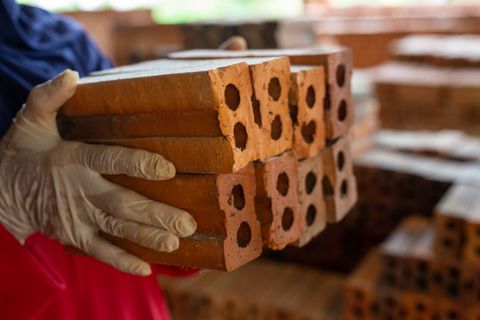
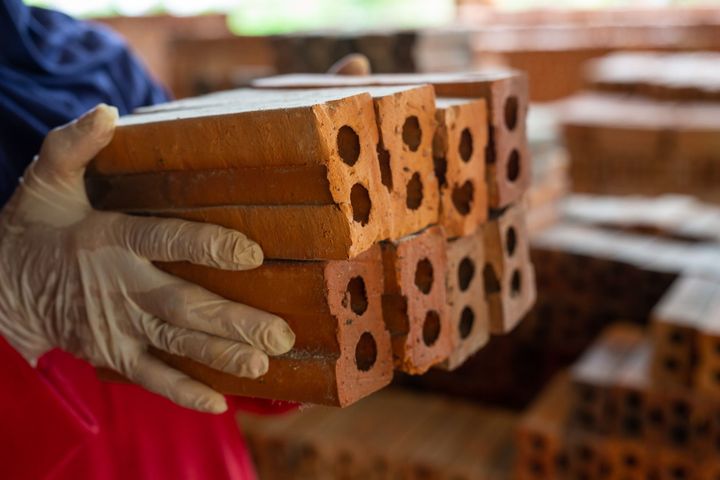
Cellular Lightweight Concrete (CLC) bricks are innovative building materials produced by mixing cement, fly ash, water, and pre-formed foam to create lightweight concrete blocks containing millions of uniformly distributed air cells. These air pockets reduce the density of the material while maintaining structural performance suitable for many construction applications.
Understanding Cellular Lightweight Concrete Bricks
CLC bricks manufacturing emerged as part of the construction industry's effort to improve resource efficiency, reduce structural loads, and promote sustainable building practices. Traditional clay bricks and dense concrete blocks often require significant raw materials and energy during production. Lightweight concrete technology addresses some of these challenges by producing blocks that are lighter and easier to handle.
Today, cellular lightweight concrete blocks are increasingly used in residential, commercial, and infrastructure projects. Growing awareness of sustainable building materials and green construction materials has contributed to wider adoption across many regions.
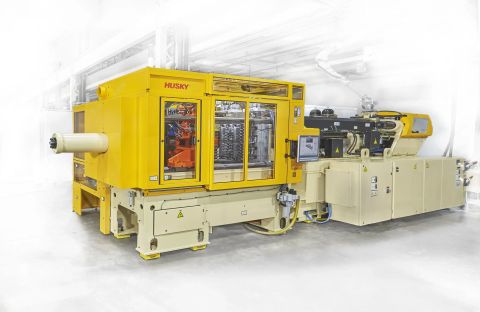
The manufacturing process typically involves controlled batching, foam generation, mixing, casting, curing, and quality testing. A modern CLC block manufacturing plant often incorporates automated systems to improve consistency and production efficiency.
Why Cellular Lightweight Concrete Bricks Matter Today
The construction industry faces increasing pressure to reduce environmental impacts while improving building performance. Lightweight concrete blocks play an important role in addressing these objectives.
Several factors have increased the relevance of CLC bricks:
- Rising demand for energy-efficient buildings.
- Greater emphasis on sustainable building materials.
- Urbanization requiring faster construction methods.
- Efforts to reduce dead loads on structures.
- Increased focus on waste utilization through fly ash incorporation.
CLC bricks affect a wide range of stakeholders, including architects, engineers, developers, contractors, building owners, and policymakers.
The table below summarizes common construction challenges and how lightweight concrete technology can help address them.
| Construction Challenge | Potential Contribution of CLC Bricks |
|---|---|
| High Structural Weight | Reduced dead load on buildings |
| Thermal Inefficiency | Improved insulation performance |
| Resource Consumption | Lower material usage in some applications |
| Construction Speed | Easier handling and installation |
| Environmental Concerns | Supports green construction materials initiatives |
By reducing building weight and improving thermal performance, cellular lightweight concrete blocks contribute to more resource-conscious construction practices.
Different Types of Cellular Lightweight Concrete Blocks
CLC products are available in several forms depending on density, application, and structural requirements.
Low-Density CLC Blocks
Low-density blocks generally contain a higher volume of air voids. These blocks are commonly used for insulation layers, non-load-bearing walls, and filling applications.
Medium-Density CLC Blocks
Medium-density cellular lightweight concrete blocks are frequently used in partition walls and internal construction elements where moderate strength and insulation are required.
High-Density CLC Blocks
Higher-density blocks provide improved compressive strength and may be used in selected structural or semi-structural applications subject to engineering evaluation.
Reinforced CLC Panels
Some lightweight concrete technology applications incorporate reinforcement within prefabricated panels for specialized construction purposes.
CLC Roof and Floor Fill Material
CLC material can also be used as lightweight roof insulation, floor screeds, and void-filling material in infrastructure projects.
Benefits and Applications of CLC Bricks
Cellular lightweight concrete blocks provide numerous advantages across construction environments.
Reduced Structural Load
The primary advantage of lightweight concrete blocks is their lower density compared with conventional masonry units. Reduced weight may contribute to lower dead loads on buildings.
Improved Thermal Insulation
The cellular structure improves thermal resistance, helping moderate indoor temperatures and supporting energy-efficient building design.
Sound Insulation Properties
Air cells within CLC material can improve acoustic performance by reducing sound transmission between spaces.
Easier Handling During Construction
Because the blocks weigh less, transportation and on-site handling are often simpler compared with conventional masonry products.
Fire Resistance
CLC bricks generally demonstrate favorable fire-resistant characteristics due to their inorganic composition.
Resource Efficiency
Many formulations incorporate industrial by-products such as fly ash, supporting sustainable construction practices.
Common applications include:
- Residential housing projects
- Commercial buildings
- Internal partition walls
- Educational facilities
- Healthcare buildings
- Roof insulation systems
- Floor filling applications
- Infrastructure projects
- Precast construction elements
The following table highlights typical applications.
| Application Area | Typical Use |
| Residential Construction | Internal and external walls |
| Commercial Buildings | Partition systems |
| Infrastructure Projects | Void filling and lightweight fill |
| Roofing Systems | Thermal insulation layers |
| Industrial Facilities | Non-load-bearing walls |
Top 5 Leading Provider Company Names
Several organizations are recognized globally for their involvement in lightweight concrete technology, equipment manufacturing, and construction material innovation.
- Wehrhahn GmbH
- Masa GmbH
- Aircrete Europe
- Litebuilt Pty Ltd
- Buildmate Projects Pvt. Ltd.
These companies are known for contributing to block production technology, plant equipment, and lightweight concrete manufacturing systems.
Recent Updates and Industry Trends
The CLC and lightweight construction sector has continued to evolve during the past year.
Increased Focus on Sustainable Construction (2025–2026)
Construction companies and policymakers have increasingly emphasized green construction materials to reduce environmental impacts associated with building activities.
Digital Automation in Manufacturing
During 2025, several manufacturers expanded the use of automated batching, process monitoring, and quality control systems within CLC block manufacturing plants.
Circular Economy Initiatives
Greater utilization of industrial by-products such as fly ash and recycled materials has become an important industry trend throughout 2025 and early 2026.
Expansion of Energy-Efficient Building Standards
Many countries strengthened building efficiency frameworks during 2025, indirectly encouraging the adoption of lightweight concrete technology.
Research on Low-Carbon Cement Alternatives
Universities and research institutions continue investigating supplementary cementitious materials and lower-carbon binders for lightweight concrete production.
The graph below illustrates key industry drivers influencing adoption.
| Industry Driver | Relative Influence (%) |
| Sustainability Goals | 35 |
| Energy Efficiency | 25 |
| Urbanization | 20 |
| Automation | 10 |
| Material Innovation | 10 |
Laws and Policies Affecting Cellular Lightweight Concrete Bricks
CLC brick manufacturing and application are influenced by various standards, regulations, and government initiatives.
Building Codes and Structural Standards
National and regional building codes establish requirements for masonry units, structural design, and material performance.
In India, standards issued by the Bureau of Indian Standards (BIS) guide material specifications and testing procedures relevant to lightweight construction products.
Environmental Regulations
Environmental policies affecting emissions, waste utilization, and industrial by-product management can influence CLC manufacturing practices.
Energy Efficiency Programs
Government programs promoting energy-efficient buildings often encourage materials with improved insulation performance.
Sustainable Construction Policies
Many countries have introduced green building frameworks that recognize sustainable building materials and resource-efficient construction techniques.
Quality Certification Requirements
Manufacturers may follow quality management systems and product certification processes to demonstrate compliance with applicable technical standards.
Because regulations vary by jurisdiction, local authorities and engineering professionals should be consulted regarding specific project requirements.
Helpful Tools and Resources
A variety of tools and resources assist stakeholders involved in CLC bricks manufacturing and construction planning.
Engineering and Design Software
- Computer-aided design (CAD) software.
- Building Information Modeling (BIM) platforms.
- Structural analysis applications.
Construction Calculators
- Block quantity calculators.
- Material estimation calculators.
- Density and volume calculators.
- Thermal performance assessment tools.
Quality Control Equipment
- Compression testing machines.
- Density measurement equipment.
- Moisture testing instruments.
- Foam generation monitoring systems.
Industry Resources
- Building standards publications.
- Green building certification references.
- Construction research journals.
- Technical specification templates.
The table below summarizes useful resources.
| Tool or Resource | Purpose |
| BIM Software | Digital project planning |
| Material Calculator | Estimate construction quantities |
| Compression Tester | Assess block strength |
| Density Measurement Tool | Verify product consistency |
| Technical Standards | Support regulatory compliance |
Frequently Asked Questions
What are Cellular Lightweight Concrete bricks?
Cellular Lightweight Concrete bricks are lightweight masonry units produced using cementitious materials and pre-formed foam, creating a cellular internal structure.
How are CLC bricks manufactured?
CLC bricks manufacturing generally involves batching raw materials, generating foam, mixing, casting, curing, and conducting quality tests before use.
Are lightweight concrete blocks environmentally beneficial?
Lightweight concrete blocks may contribute to sustainable construction objectives through reduced material weight and the incorporation of supplementary materials such as fly ash.
Where are CLC bricks commonly used?
Common applications include residential buildings, commercial structures, partition walls, roof insulation systems, and infrastructure projects.
What equipment is typically used in a CLC block manufacturing plant?
Typical equipment includes foam generators, mixers, moulds, curing systems, weighing equipment, and testing instruments. A CLC brick making machine is an important component within the production process.
Conclusion
Cellular Lightweight Concrete bricks represent an important advancement in modern construction materials. Through lightweight concrete technology, these blocks provide an alternative approach to improving building efficiency, reducing structural loads, and supporting sustainable building practices.
Growing interest in green construction materials, energy-efficient buildings, and resource optimization continues to influence the adoption of cellular lightweight concrete blocks worldwide. Advances in manufacturing automation, material science, and environmental policy are expected to further shape the future of CLC bricks manufacturing.
As construction industries continue pursuing sustainability goals, lightweight concrete blocks are likely to remain a significant component of contemporary building systems.
Informational Disclaimer: References to CLC brick making machines, CLC block manufacturing plants, production packages, or estimated CLC bricks price information are provided solely for educational purposes.