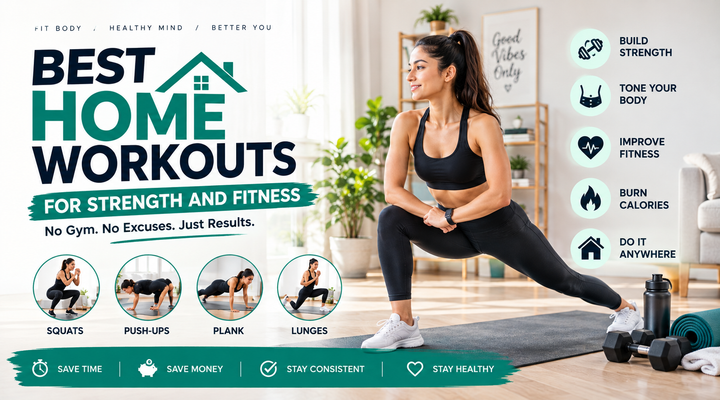
Explore Home Workouts: Guide, Tips, Insights, and Strength Training Basic
Home workouts are physical activities performed at home to improve strength, mobility, balance, endurance, and general fitness. They range from simple bodyweight exercises to structured resistance training routines using adjustable dumbbells, resistance bands, and other home gym equipment. People can follow a personal workout plan independently or use digital resources to guide their sessions.
Home Workouts: Context and Overview
Home fitness has become an accessible approach for people with different schedules, fitness backgrounds, and exercise preferences. A small space, a suitable exercise routine, and consistent practice may be sufficient to begin. More advanced routines can incorporate strength training equipment, fitness tracking tools, and virtual instruction.
Common home workout formats include:
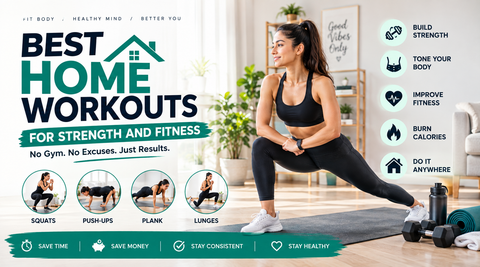
Bodyweight training: Squats, push-ups, lunges, planks, and similar movements that use body weight as resistance.
Resistance training: Exercises performed with dumbbells, resistance bands, kettlebells, or other equipment.
Cardiovascular exercise: Brisk walking in place, stair climbing, dancing, and low-impact aerobic movements.
Mobility and flexibility: Controlled movements and stretching designed to support joint mobility and movement.
Structured fitness programs: Weekly routines that combine strength, aerobic activity, recovery, and progress tracking.
The most appropriate approach depends on an individual's experience, available space, physical capabilities, and goals. Beginners can start with basic movements and gradually adjust the duration, intensity, and difficulty as their fitness improves.
Why Home Workouts Matter Today
Home workouts can help people maintain physical activity despite busy schedules, travel, limited access to exercise facilities, or a preference for exercising privately. They also allow individuals to choose when and where to exercise, which may make it easier to develop a consistent routine.
Regular physical activity supports cardiovascular health, muscular strength, balance, and everyday movement. Strength training is particularly relevant for maintaining muscle function and supporting activities such as climbing stairs, lifting objects, and carrying groceries.
Home workouts may be useful for:
Office workers: Short movement breaks can interrupt extended periods of sitting.
Beginners: Basic exercises provide an opportunity to learn movement patterns at a manageable pace.
Experienced exercisers: Adjustable dumbbells and resistance bands can support progressively challenging routines.
People with limited space: Bodyweight exercises require little or no specialized equipment.
Individuals with changing schedules: Flexible workout times can help accommodate family responsibilities, education, and work.
A home workout planner can organize exercise days, movements, repetitions, and recovery periods. An online personal trainer or virtual personal training program may provide additional guidance when someone needs help learning exercises or adapting a routine.
However, home workouts are not automatically suitable for every physical condition. People with injuries, persistent pain, significant mobility limitations, or medical concerns should seek appropriate professional guidance before beginning demanding exercise.
Strength Training Basics and Exercise Planning
Strength training challenges muscles against resistance. The resistance may come from body weight, elastic bands, dumbbells, or other equipment. Over time, an appropriately planned routine can improve muscular strength and functional capacity.
A balanced beginner routine can include movements that target major muscle groups.
| Exercise | Main movement pattern | Beginner approach |
|---|---|---|
| Chair squats | Lower-body strength | 2 sets of 8–12 repetitions |
| Wall push-ups | Upper-body pushing | 2 sets of 8–12 repetitions |
| Glute bridges | Hip extension | 2 sets of 10–12 repetitions |
| Resistance-band rows | Upper-body pulling | 2 sets of 8–12 repetitions |
| Bird-dog exercises | Core stability and coordination | 2 sets of 6–10 per side |
These figures are illustrative starting points rather than individualized prescriptions. Exercise selection and repetition ranges should reflect personal ability, technique, and comfort.
A practical weekly schedule might include two or three nonconsecutive strength sessions, regular moderate-intensity aerobic activity, and time for recovery. The World Health Organization recommends that adults generally aim for 150–300 minutes of moderate-intensity aerobic activity each week, or an equivalent amount of vigorous activity, alongside muscle-strengthening activities on at least two days per week.
Beginners do not need to reach these targets immediately. Starting with shorter sessions and gradually increasing activity can be a reasonable approach.
Useful strength training principles include:
Warm up with several minutes of gentle movement.
Learn correct technique before increasing resistance.
Choose a difficulty that allows controlled repetitions.
Increase repetitions or resistance gradually when exercises become manageable.
Allow recovery between demanding sessions targeting the same muscles.
Stop an exercise if it causes sharp pain, dizziness, or unusual shortness of breath.
Consistency and safe progression are more useful than attempting an overly difficult routine at the beginning.
Home Gym Equipment and Setup
A home gym setup can range from a clear area of floor space to a dedicated room with several pieces of equipment. Equipment selection should reflect available space, storage, exercise goals, and experience.
Common equipment options include:
Resistance bands: Lightweight, versatile tools for pulling, pressing, and mobility exercises.
Adjustable dumbbells: Compact weights that can be changed to support different exercises and resistance levels.
Exercise mats: Provide a more comfortable surface for floor exercises.
Stable exercise benches: Support selected strength exercises when used correctly.
Bodyweight equipment: A wall, sturdy chair, or other appropriate household item can assist with certain beginner movements.
Before exercising, check that the floor is stable, the surrounding area is clear, and the equipment is undamaged. Secure storage is particularly important for weights and accessories.
A small setup does not need to include every available item. Bodyweight training and resistance bands can support many basic movements, while adjustable dumbbells may provide additional options as strength develops.
Any estimated equipment prices, training fees, or fitness coaching packages should be treated as informational estimates only. Actual amounts vary by brand, location, equipment specifications, trainer qualifications, subscription terms, and the date of purchase. Confirm current details directly with the relevant provider before making a financial decision.
Online Fitness Guidance and Digital Resources
Digital tools can help organize workouts, demonstrate exercises, and record activity. Their usefulness depends on the accuracy of the information, the user's needs, and the quality of the guidance provided.
An online personal trainer may develop a routine around stated goals, experience, available equipment, and scheduling preferences. Personal training programs online can also include exercise demonstrations, progress reviews, or scheduled video sessions. The qualifications and level of individual supervision differ between providers.
Virtual personal training can be useful for people who prefer remote instruction. An online fitness consultation may help clarify exercise options, while a certified personal trainer online may provide structured guidance within their qualifications. Trainer credentials should be checked against the relevant certifying organization, and medical concerns should be referred to an appropriate healthcare professional.
Helpful digital resources include:
Best workout app: Compare exercise libraries, accessibility, equipment requirements, privacy practices, and subscription conditions rather than relying on rankings alone.
Fitness tracking app: Record workout frequency, repetitions, walking activity, and other relevant measures.
Workout planner app: Organize training days, exercise sequences, and recovery periods.
Online fitness membership: Review the included content, renewal terms, cancellation process, and data practices.
Exercise demonstration libraries: Use reputable educational materials to learn basic technique and common safety considerations.
Apps and remote programs can support planning, but they cannot guarantee a particular fitness outcome. Automated recommendations may also fail to account for injuries, individual limitations, or incorrect exercise technique. A sensible approach combines digital tools with personal judgment and qualified guidance when needed.
Recent Updates and Home Fitness Trends
Home fitness continues to evolve through digital coaching, connected devices, and applications that bring exercise information together. Several developments during 2025 and 2026 are relevant to people planning home workouts.
Notable developments include:
May 26, 2026 — Connected health platforms: Google announced its Google Health app and related health tools, highlighting the integration of information from compatible devices and applications. Such platforms can help users review activity information in one place.
August 18, 2026 — Health data integration: Google Play listed an update to Health Connect, an Android platform that helps compatible health and fitness applications share selected data under user-controlled permissions.
Ongoing digital coaching developments: Exercise applications increasingly combine workout libraries, activity records, reminders, and personalized guidance. Features and accuracy vary between platforms, so users should evaluate their limitations.
These developments illustrate how technology can support exercise planning. They do not establish that an application or digital coach is more effective than every alternative.
A useful approach is to select tools that address a specific need, such as learning exercise technique, recording weekly activity, or organizing strength sessions. Users should also review privacy settings before connecting wearables or sharing health information.
Laws, Policies, and Physical Activity Guidelines in India
Home workouts in India are influenced by public health recommendations, consumer protection principles, and digital privacy requirements. There is no single nationwide law that prescribes one workout routine for every healthy adult.
The World Health Organization's physical activity guidelines provide an evidence-based reference for general exercise planning. India's public health guidance also recognizes the importance of regular physical activity across age groups.
For most adults, the WHO recommends:
150–300 minutes of moderate-intensity aerobic activity per week, or an equivalent combination of moderate and vigorous activity.
Muscle-strengthening activities involving major muscle groups on at least two days per week.
Gradual increases in activity for people who are not currently meeting these targets.
These are general recommendations, not personalized medical instructions. Age, disability, pregnancy, chronic conditions, and individual fitness levels can affect appropriate exercise choices.
Digital fitness and privacy considerations
People using a fitness tracking app or virtual personal training platform should examine how personal information is collected and handled.
Relevant considerations include:
India's Digital Personal Data Protection Act, 2023, and applicable rules and commencement notifications, which establish a framework for personal data protection.
Google Play policies governing health data, permissions, privacy disclosures, and account deletion for applicable applications.
Consumer protection requirements relevant to misleading advertisements, inaccurate representations, and unclear commercial terms.
The exact legal obligations depend on the circumstances, the applicable provisions in force, and the nature of the organization or application. Users should check current official guidance where necessary.
Tools and Resources for Planning Home Workouts
The following resources can help people learn about exercise, organize routines, and understand activity recommendations.
| Tool or resource | Main purpose | Useful consideration |
|---|---|---|
| WHO physical activity guidelines | Understand recommended activity levels | Adapt recommendations to individual ability |
| Health Connect | Coordinate compatible health and fitness data | Review permissions for each connected app |
| Workout planner app | Schedule exercise sessions | Check exercise instructions and progression |
| Fitness tracking app | Record activity and training history | Treat measurements as estimates where appropriate |
| Resistance bands and adjustable dumbbells | Provide resistance for strength exercises | Choose suitable resistance and maintain equipment |
| Online personal trainer | Receive structured exercise guidance | Verify qualifications and supervision arrangements |
For people comparing fitness coaching packages, online fitness membership plans, or personal training programs online, the following factors are worth reviewing:
Trainer qualifications and relevant experience.
Whether guidance is individual or based on a standard routine.
How exercise modifications and safety concerns are handled.
Subscription duration, renewal arrangements, and cancellation conditions.
Data collection, privacy practices, and access to recorded sessions.
Any estimated fees or package amounts should be considered informational rather than guaranteed figures. Prices, inclusions, and subscription terms differ by provider and region and may change over time.
Frequently Asked Questions
1. Can beginners start strength training at home without a gym?
Yes. Beginners can start with suitable bodyweight exercises, such as chair squats, wall push-ups, and glute bridges. Resistance bands or adjustable dumbbells can be added later if appropriate. Learning correct technique and progressing gradually are important.
2. How many days per week should someone exercise at home?
A reasonable starting schedule may include two or three strength sessions each week, with lighter activity or aerobic exercise on other days. The appropriate frequency depends on experience, recovery, physical ability, and personal circumstances. WHO recommendations provide general weekly activity targets rather than a fixed schedule for everyone.
3. Is an online personal trainer necessary for home workouts?
No. Many basic routines can be followed independently using reputable educational resources. A qualified trainer may be helpful when someone needs individualized programming, exercise modifications, or feedback on technique. Remote guidance does not replace medical assessment when health concerns are present.
4. What equipment is useful for a home gym setup?
A clear exercise area and comfortable mat may be enough for basic movements. Resistance bands and adjustable dumbbells can expand strength training options. Equipment should be selected according to available space, intended exercises, experience, and safe storage requirements.
5. Can a fitness tracking app guarantee weight loss or strength gains?
No. Tracking applications record selected activities and measurements, but they cannot guarantee a particular outcome. Progress depends on factors such as consistency, exercise programming, recovery, nutrition, and individual circumstances. App measurements may also be inaccurate, so they should be interpreted carefully.
Conclusion
Home workouts provide a flexible way to practice strength training, aerobic activity, mobility, and other forms of exercise. A suitable routine can begin with bodyweight movements and gradually incorporate resistance training equipment as needed.
Workout planner apps, fitness tracking tools, online personal trainers, and virtual personal training programs can help organize exercise and provide guidance. However, the most appropriate approach depends on individual needs, equipment, experience, and safety considerations.
Start with manageable activities, focus on proper technique, allow sufficient recovery, and increase difficulty gradually. Use reputable resources, evaluate digital privacy practices, and seek qualified guidance when necessary. Consistent, realistic exercise planning is a practical foundation for developing and maintaining an active lifestyle.
Informational disclaimer: This article provides general educational information and is not a substitute for individualized medical advice. Exercise recommendations, equipment estimates, and descriptions of digital fitness tools are general in nature. Features, prices, and applicable regulations may change; verify current details through authoritative sources.