Explore Paralysis Symptoms: A Guide to Signs, Fact, and Essential Information
Paralysis is a condition in which a person loses some or all voluntary movement in one or more parts of the body. It can develop suddenly or gradually, depending on the underlying cause. Paralysis may affect the face, arms, legs, or an entire side of the body. Some people also experience changes in sensation, muscle strength, balance, or coordination.
Understanding Paralysis Symptoms and Their Causes
The nervous system controls movement by transmitting signals between the brain, spinal cord, and muscles. Damage or disruption to these pathways can interfere with normal movement. Common causes include stroke, spinal cord injury, certain neurological disorders, and injuries affecting nerves.
Recognizing the early signs of paralysis is important because some causes require immediate medical attention. Understanding the symptoms, diagnostic tests, and rehabilitation options can help individuals and families make informed decisions about medical evaluation and recovery.
Why Understanding Paralysis Matters
Paralysis can affect people of different ages and may influence mobility, communication, personal independence, and everyday activities. Its effects depend on the location and severity of the nervous system damage and the person's overall health.
Stroke is one important cause of sudden paralysis, particularly when blood flow to part of the brain is interrupted. Spinal cord injuries may affect movement and sensation below the injured area. Other neurological conditions can produce weakness or progressive movement difficulties.
Understanding paralysis symptoms helps people recognize warning signs and seek appropriate medical care. It also helps families understand why a coordinated approach involving neurologists, rehabilitation professionals, and other healthcare specialists may be necessary.
Important reasons to learn about paralysis include:
Recognizing sudden weakness or loss of movement.
Understanding when emergency medical evaluation is necessary.
Learning how neurological conditions are investigated.
Identifying suitable rehabilitation approaches.
Supporting safe mobility and daily activities.
Understanding the role of caregivers and long-term follow-up.
Paralysis does not have the same outcome for everyone. Recovery depends on the cause, the extent of the injury, the effectiveness of treatment for the underlying condition, and individual circumstances.
Early Signs of Paralysis to Recognize
Symptoms can vary according to the part of the nervous system affected. Some signs appear suddenly, while others develop over time.
Common symptoms include:
Sudden weakness or inability to move an arm or leg.
Drooping on one side of the face.
Difficulty speaking or understanding speech.
Loss of sensation, numbness, or unusual tingling.
Difficulty standing, walking, or maintaining balance.
Reduced coordination or control of voluntary movements.
Changes in muscle tone, including stiffness or limpness.
Difficulty performing familiar daily activities.
Important: Sudden facial drooping, arm weakness, speech difficulty, or sudden loss of coordination may indicate a stroke. Call India's emergency number, 112, or the appropriate local emergency number immediately. Do not wait for symptoms to improve or attempt to arrange a routine neurologist consultation first.
Neck or back injury accompanied by new weakness, numbness, or loss of movement also requires emergency evaluation. Avoid unnecessary movement of a person with a suspected spinal injury while waiting for emergency assistance.
Common Types of Paralysis
The type of paralysis depends on the body regions affected and the underlying neurological problem.
| Type | General description |
|---|---|
| Hemiplegia | Paralysis affecting one side of the body |
| Paraplegia | Paralysis mainly affecting both legs and sometimes the lower trunk |
| Quadriplegia (tetraplegia) | Paralysis affecting all four limbs, often with trunk involvement |
| Monoplegia | Paralysis affecting one limb |
| Facial paralysis | Weakness or loss of movement in facial muscles |
These terms describe patterns of movement loss rather than specific causes. For example, hemiplegia may occur after a stroke, while paraplegia may follow certain spinal cord injuries.
Weakness is not always the same as paralysis. A person may have reduced strength but retain some voluntary movement. Medical assessment helps establish the nature of the problem.
Paralysis Diagnostic Tests and Medical Evaluation
Diagnosis begins with a medical history and physical and neurological examinations. A clinician may assess muscle strength, reflexes, sensation, coordination, speech, and the ability to move different parts of the body.
Depending on the suspected cause, paralysis diagnostic tests may include:
CT scan: Helps identify certain brain injuries, bleeding, or other urgent abnormalities.
MRI: Produces detailed images of the brain or spinal cord.
Blood tests: Help investigate possible underlying conditions and assess relevant health indicators.
Electromyography (EMG): Evaluates electrical activity in muscles.
Nerve conduction studies: Assess how electrical signals travel through peripheral nerves.
Additional investigations: May include vascular imaging or other tests selected according to clinical findings.
Not every patient needs every test. The treating medical team determines which investigations are appropriate based on symptoms, examination findings, and urgency.
Treatment Approaches and Rehabilitation
Paralysis treatment depends on the underlying cause. The first priority is to identify and address conditions that threaten life or may cause further neurological damage. For example, stroke treatment depends on the type of stroke, the time symptoms began, imaging findings, and the patient's medical circumstances.
After the initial condition is stabilized, a coordinated rehabilitation plan may help people improve movement, manage limitations, and develop strategies for daily activities.
A paralysis treatment specialist may work with a neurologist, rehabilitation physician, physiotherapist, occupational therapist, speech and language therapist, nurse, and other professionals as needed.
Rehabilitation may include:
Physiotherapy: Exercises and movement training adapted to the person's abilities.
Occupational therapy: Practice with dressing, bathing, eating, and other daily activities.
Speech and swallowing therapy: Support when neurological damage affects communication or swallowing.
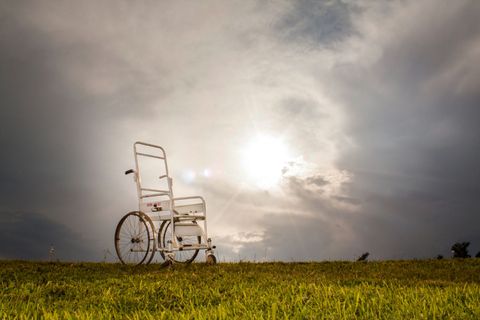
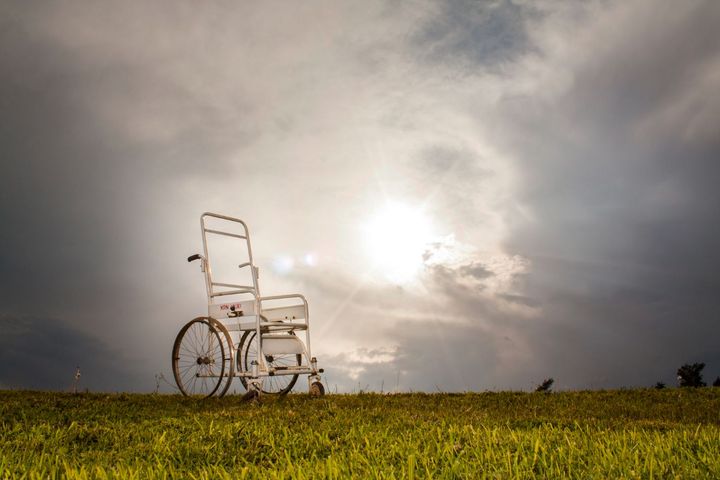
Mobility training: Appropriate use of walking aids, wheelchairs, or transfer techniques.
Assistive equipment: Braces, positioning devices, and other tools selected for individual needs.
Caregiver education: Guidance on safe transfers, positioning, skin protection, and everyday support.
Paralysis physiotherapy exercises should be selected by qualified professionals, particularly after a stroke or spinal cord injury. Exercises that are unsuitable for the person's condition may increase the risk of falls or injury.
Recovery varies considerably. Some people regain substantial movement, while others require ongoing rehabilitation and assistance. No hospital, treatment method, or rehabilitation program can guarantee a particular outcome.
Choosing Appropriate Neurological and Rehabilitation Care
People seeking a paralysis treatment hospital or paralysis rehabilitation center should consider the person's diagnosis, medical stability, mobility needs, and rehabilitation goals.
A suitable care team may include a neurologist consultation, a neuro rehabilitation specialist, and physiotherapists experienced in the relevant condition.
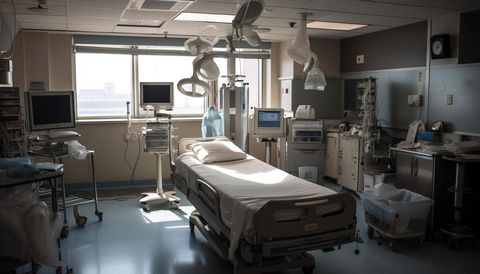
For stroke-related paralysis, a stroke specialist hospital may provide coordinated emergency assessment and follow-up care. For spinal cord injuries, a spinal injury treatment hospital with appropriate surgical, medical, and rehabilitation capabilities may be relevant.
When considering a hemiplegia treatment center, useful questions include:
Does the team assess the underlying cause of paralysis?
Are rehabilitation goals developed individually?
Is physiotherapy supervised by qualified professionals?
Can the team address communication, swallowing, and mobility needs where relevant?
Are caregivers included in appropriate training and discharge planning?
Is follow-up available for complications and changing rehabilitation needs?
The most appropriate setting depends on clinical needs rather than the name of the facility alone. Emergency symptoms require immediate assessment, not a comparison of routine rehabilitation facilities.
Practical Applications of Rehabilitation
Rehabilitation focuses on functional abilities and safety as well as movement. Depending on the person's condition, the plan may address:
Moving safely between a bed, chair, and wheelchair.
Improving balance and coordination where possible.
Maintaining joint movement and reducing preventable stiffness.
Learning safe techniques for everyday tasks.
Preventing pressure injuries through suitable positioning and skin care.
Using assistive devices correctly.
Supporting participation in family, education, work, and community activities.
Progress should be reviewed regularly. Rehabilitation goals may change as strength, endurance, medical needs, and personal priorities evolve.
Recent Developments in Paralysis Care
Through 2025 and into 2026, stroke care and neurological rehabilitation continue to emphasize timely treatment, individualized rehabilitation, and improved access to assistive technologies. The following are established areas of clinical development rather than claims about a single newly approved treatment.
Technology-assisted rehabilitation: Virtual reality, interactive exercise systems, and digital rehabilitation tools are being studied and used in some settings to support repetitive practice and engagement. Their suitability depends on the individual's condition, available facilities, and clinical supervision.
Robotic and device-assisted training: Specialized devices may support repetitive movement practice for selected patients. They complement rather than automatically replace conventional rehabilitation.
Remote rehabilitation: Video consultations and digital follow-up can help some patients continue exercises or receive guidance at home. They do not replace emergency assessment or hands-on evaluation when these are needed.
Individualized stroke rehabilitation: Care increasingly emphasizes assessment of specific functional limitations, appropriate therapy intensity, secondary prevention, and coordinated follow-up.
No single technology is suitable for everyone, and evidence varies by intervention and patient group. Readers should check current clinical guidance and local availability with qualified healthcare professionals.
Laws, Policies, and Government Support in India
Healthcare and disability-related support in India are influenced by national legislation, public health programs, and state-level implementation.
The Rights of Persons with Disabilities Act, 2016 provides a legal framework for disability rights, accessibility, and inclusion. Eligibility for particular benefits depends on the applicable disability criteria, certification requirements, and relevant government rules. Paralysis does not automatically establish eligibility for every disability benefit.
The National Programme for Prevention and Control of Non-Communicable Diseases (NP-NCD) supports prevention, screening, and management of relevant non-communicable diseases, including conditions associated with stroke risk.
The Ayushman Bharat Pradhan Mantri Jan Arogya Yojana (AB PM-JAY) provides eligible beneficiaries with access to specified secondary and tertiary hospitalization benefits under applicable scheme rules. Coverage, eligibility, participating hospitals, and approved treatment packages should be verified through official channels.
People can also consult government hospitals, medical colleges, rehabilitation departments, and relevant district disability authorities for guidance about assessment, certification, and available support.
Tools and Resources for Patients and Families
Reliable information and practical resources can help patients prepare for appointments and organize rehabilitation.
Ministry of Health and Family Welfare: Government health information and national program updates at mohfw.gov.in.
National Health Mission: Public health program information at nhm.gov.in.
National Health Authority: Information about AB PM-JAY eligibility and participating facilities at nha.gov.in.
Emergency Response Support System: Information about India's emergency number, 112, at 112.gov.in.
World Health Organization: General information about stroke, neurological health, and rehabilitation at who.int.
Rehabilitation diary: Record exercise sessions, functional changes, questions for clinicians, and any new symptoms.
Medication list: Keep an updated list of medicines, doses, allergies, and relevant medical history.
Appointment checklist: Note when symptoms began, how they changed, previous diagnoses, and questions for the medical team.
Frequently Asked Questions About Paralysis
1. What are the early signs of paralysis?
Early signs may include sudden weakness, facial drooping, difficulty speaking, reduced movement, numbness, or problems with balance. Sudden symptoms can indicate a medical emergency, including stroke. Call 112 in India or your local emergency number immediately.
2. Which specialist evaluates paralysis?
A neurologist commonly evaluates conditions affecting the brain, spinal cord, and nervous system. Depending on the cause, a rehabilitation physician, neurosurgeon, or other specialist may also be involved. The appropriate specialist depends on the symptoms and diagnosis.
3. Can physiotherapy help people with paralysis?
Physiotherapy can help selected patients maintain joint mobility, practice movement, improve functional abilities, and learn safer mobility techniques. The results depend on the underlying condition and the extent of neurological damage. A qualified physiotherapist should develop an individualized plan.
4. What is the difference between stroke-related paralysis and spinal cord injury paralysis?
Stroke-related paralysis results from damage to the brain's blood supply or bleeding within the brain. Spinal cord injury paralysis results from damage to the spinal cord pathways that carry signals between the brain and body. Symptoms, medical treatment, and rehabilitation needs differ according to the injury.
5. How can families support someone living with paralysis?
Families can help by supporting prescribed rehabilitation, maintaining a safe home environment, following medication instructions, attending medical appointments, and learning appropriate transfer and positioning techniques. Emotional support and respect for the person's independence are also important.
Conclusion
Understanding paralysis symptoms, potential causes, diagnostic tests, and rehabilitation options helps individuals and families recognize when medical evaluation is necessary. Early recognition of stroke symptoms and other neurological emergencies can be particularly important.
Care may involve a neurologist consultation, appropriate diagnostic investigations, treatment of the underlying condition, and individualized rehabilitation. A paralysis treatment specialist, neuro rehabilitation specialist, or experienced rehabilitation team can help guide care according to the person's medical needs and functional goals.
Reliable medical information, government health resources, and regular communication with qualified professionals can help people make informed decisions. Because paralysis affects individuals differently, treatment plans and expected outcomes should always be based on a clinical assessment rather than general online information.
Informational disclaimer: This article is for educational purposes and does not replace professional medical advice, diagnosis, or treatment. Treatment availability, eligibility for government programs, and hospital charges or rehabilitation package prices vary by location, facility, clinical requirements, and applicable policies. Any estimates should be confirmed directly with the relevant healthcare provider. In an emergency, seek immediate medical assistance.