Sound Proofing Techniques Guide: Explore Noise Reduction Methods, Installation Tips, Acoustic Insights, and Soundproofing Basics
Sound proofing refers to a collection of methods used to reduce the transmission of unwanted noise between spaces. It combines construction practices, acoustic insulation materials, vibration control solutions, and specialized products to create quieter and more comfortable environments.
Understanding Sound Proofing Techniques
Noise has become a growing concern in homes, offices, educational facilities, healthcare buildings, entertainment venues, and industrial environments. Modern construction increasingly considers building acoustics during planning to improve comfort, concentration, and privacy.
Unlike acoustic treatment, which mainly improves sound quality within a room, soundproofing focuses on limiting sound movement through walls, ceilings, floors, windows, and doors. Common approaches include soundproof insulation, soundproof wall panels, soundproof ceiling systems, soundproof flooring, soundproof windows, soundproof doors, and specialized noise control systems.
Whether the goal is reducing traffic noise, minimizing machinery sounds, or improving recording quality, effective soundproofing combines several techniques rather than relying on a single product.
Why Sound Proofing Matters Today
Urban development, higher population density, and open-plan buildings have increased everyday noise exposure. Excessive noise can affect concentration, communication, learning, and overall comfort.
Soundproofing benefits many environments, including:
- Residential buildings requiring improved privacy.
- Commercial buildings seeking quieter workplaces.
- Educational institutions supporting better learning environments.
- Healthcare facilities promoting patient recovery.
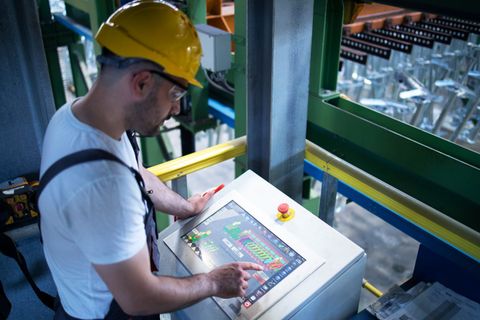
- Manufacturing sites managing industrial equipment noise.
- Entertainment venues maintaining controlled acoustics.
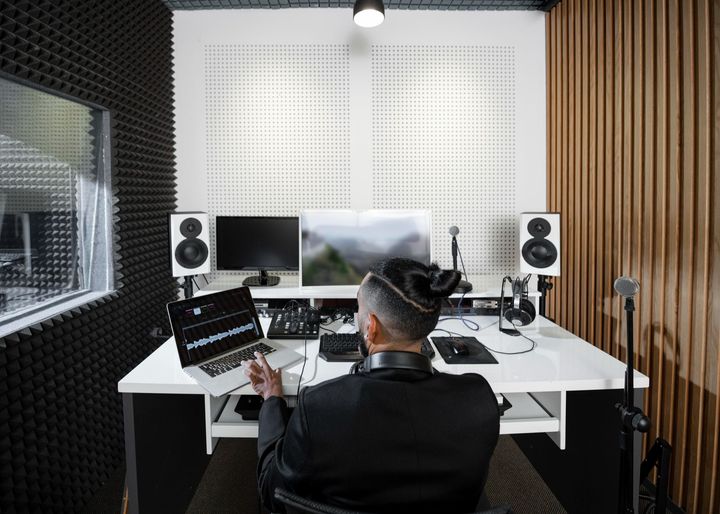
- Recording studios requiring isolated sound environments.
Organizations increasingly work with acoustic consultants and acoustic engineering professionals to evaluate building performance before selecting suitable noise reduction solutions.
Well-designed architectural acoustics can improve productivity, speech clarity, and indoor comfort while supporting compliance with building standards.
Common Types of Sound Proofing
Several soundproofing methods address different types of noise.
| Type | Primary Purpose | Common Applications |
|---|---|---|
| Acoustic Insulation | Reduces sound transfer inside walls and ceilings | Homes, offices, apartments |
| Acoustic Panels | Controls reflections and improves room acoustics | Meeting rooms, theaters |
| Soundproof Wall Panels | Adds sound-blocking layers | Residential and commercial buildings |
| Acoustic Ceiling Panels | Reduces overhead noise | Schools, offices, hospitals |
| Soundproof Flooring | Limits impact and airborne noise | Apartments, hotels |
| Soundproof Windows | Reduces outdoor noise | Urban buildings |
| Soundproof Doors | Improves room isolation | Studios, offices |
| Acoustic Foam Panels | Controls echo and reverberation | Recording rooms |
| Noise Control Systems | Manages industrial equipment noise | Factories |
| Vibration Control Solutions | Reduces structure-borne vibration | Mechanical equipment |
Other specialized applications include:
- Commercial soundproofing for office complexes.
- Industrial soundproofing for manufacturing facilities.
- Office soundproofing for conference rooms and collaborative workspaces.
- Recording studio soundproofing for music production.
- Home theater soundproofing for entertainment rooms.
- Residential soundproofing for houses and apartments.
Different projects often combine multiple systems to achieve balanced acoustic performance.
Benefits and Practical Applications
Effective soundproofing offers practical advantages across numerous industries.
Improved Indoor Comfort
Reducing external noise creates more peaceful indoor environments, especially in busy urban locations.
Enhanced Privacy
Soundproof walls, ceilings, and doors help reduce conversations traveling between rooms, improving confidentiality.
Better Workplace Productivity
Office environments benefit from lower distractions, making communication easier and improving concentration.
Higher Quality Audio Spaces
Recording studios and home theaters depend on proper acoustic treatment, acoustic foam panels, and structural sound isolation for accurate sound reproduction.
Industrial Noise Management
Factories often implement industrial noise control, vibration isolation, and equipment enclosures to reduce workplace noise exposure.
Educational Benefits
Schools and universities use commercial acoustic panels and acoustic ceiling panels to improve speech clarity in classrooms.
Healthcare Applications
Hospitals utilize soundproofing to create quieter recovery spaces and reduce unnecessary disturbances.
The following chart illustrates typical areas where soundproofing technologies are commonly applied.
| Application Area | Typical Soundproofing Features |
| Residential Buildings | Acoustic insulation, windows, flooring |
| Commercial Offices | Acoustic panels, ceiling systems |
| Schools | Ceiling panels, wall treatments |
| Hospitals | Acoustic insulation, quiet corridors |
| Hotels | Soundproof walls and doors |
| Recording Studios | Acoustic foam, isolated rooms |
| Home Theaters | Wall insulation, acoustic treatment |
| Industrial Facilities | Noise control systems, vibration control |
Leading Companies in the Soundproofing Industry
Several globally recognized organizations contribute to acoustic products, insulation technologies, and building acoustic solutions.
- Saint-Gobain
- Rockwool Group
- Owens Corning
- Knauf Insulation
- Armstrong World Industries
These companies manufacture or develop products related to acoustic insulation materials, ceiling systems, wall panels, insulation products, and commercial acoustic applications used worldwide.
Recent Developments and Industry Trends
The soundproofing industry has continued evolving throughout the past year.
Recent developments include:
- During 2025, increased adoption of sustainable acoustic insulation materials manufactured with recycled or renewable content.
- Throughout 2025, greater integration of Building Information Modeling (BIM) into acoustic planning and architectural design workflows.
- Growing use of smart building technologies that continuously monitor indoor environmental quality, including noise levels.
- Expanded research into lightweight acoustic materials that provide improved performance while reducing structural weight.
- Continued emphasis on environmentally responsible construction standards encouraging better acoustic performance alongside energy efficiency.
- Increased attention to hybrid workspaces, leading many office renovations completed during 2025 to include enhanced office soundproofing and acoustic treatment.
Industry professionals also continue developing improved digital acoustic simulation software that predicts room performance before construction begins.
Regulations, Standards, and Government Policies
Soundproofing requirements vary between countries, but many regulations focus on protecting public health, workplace safety, and building performance.
Common regulatory areas include:
- National building codes establishing minimum acoustic performance requirements.
- Occupational workplace noise regulations that limit employee exposure to excessive sound levels.
- Environmental noise policies addressing transportation, airports, and industrial operations.
- Educational and healthcare facility design standards promoting suitable acoustic environments.
- Green building certification programs that include indoor environmental quality and acoustic performance criteria.
Many countries reference international standards developed by organizations such as ISO and regional building authorities when evaluating building acoustics.
Because regulations differ by location, architects and acoustic consultants typically review applicable local building requirements before construction begins.
Estimated Information Disclaimer: Building requirements, technical specifications, project scope, and any references to pricing categories or implementation packages may vary by country, region, building type, and applicable regulations. Always consult current local building codes and official guidance for the most accurate information.
Helpful Tools and Resources
Professionals and property owners frequently use digital tools to evaluate acoustic performance.
Useful resources include:
- Online reverberation time calculators.
- Sound level meter mobile applications for basic environmental measurements.
- Building acoustic simulation software.
- Room acoustic modeling tools.
- Noise mapping software for urban planning.
- Building code reference websites.
- Government environmental protection resources.
- International acoustic standards documentation.
- Architectural acoustic design templates.
- Educational materials published by professional acoustic engineering organizations.
These resources support planning, measurement, documentation, and informed decision-making throughout construction and renovation projects.
Frequently Asked Questions
What is the difference between soundproofing and acoustic treatment?
Soundproofing reduces sound transmission between spaces, while acoustic treatment improves sound quality within a room by reducing echo and reverberation.
Which materials are commonly used for acoustic insulation?
Common materials include mineral wool, fiberglass insulation, specialized acoustic insulation materials, resilient channels, mass-loaded barriers, and multiple-layer wall assemblies depending on project requirements.
Can soundproof windows reduce outside traffic noise?
Yes. Properly designed soundproof windows with insulated glazing and well-sealed frames can significantly reduce outdoor noise entering a building.
Why are vibration control solutions important?
Mechanical equipment often transfers vibration through building structures. Vibration isolation systems reduce structure-borne noise and improve overall acoustic performance.
Do all buildings require professional acoustic engineering?
Not necessarily. Small residential improvements may use standard soundproofing methods, while larger commercial, industrial, educational, healthcare, and entertainment projects often benefit from professional acoustic engineering and consultation.
Conclusion
Sound proofing has become an important part of modern building design, supporting quieter, healthier, and more productive indoor environments. From acoustic insulation and soundproof wall panels to noise reduction solutions, commercial soundproofing, industrial soundproofing, and advanced building acoustics, a wide range of technologies help control unwanted noise.
As construction practices continue evolving, greater emphasis is being placed on sustainable materials, digital acoustic modeling, and integrated building design. Understanding different soundproofing methods, regulations, available tools, and current industry developments enables property owners, architects, engineers, and facility managers to make informed decisions when planning new construction or renovation projects.
Informational Disclaimer: Any references to pricing ranges, watch categories, packages, materials, or market values are intended solely for educational purposes.